Table of Contents
"Exactly how are you?" The solution to this question is sometimes a lot more challenging than the person asking may realize. You might spout out a quick, "Fine, many thanks!" also when you recognize you're not. AdvertisementCleveland Facility is a charitable scholastic clinical center. Advertising on our website assists sustain our objective. We do not back non-Cleveland Facility services or products.
And while that makes these problems sound extremely various, they are much more intertwined than they might seem. And they frequently happen together. Psychoanalyst Karen Jacobs, DO, provides us an overview of what stress and anxiety and anxiety are, how they materialize in different methods, just how they can be associated and just how to tell the distinction between both.
Consuming over scenarios or end results. Indecisiveness. Fear. Failure to relax. Sensations of restlessness. Difficulty focusing or physical anxiety. Additionally, there's a plethora of physical signs that can occur with stress and anxiety, consisting of: Muscular tissue stress. Chest rigidity. Feeling easily exhausted or fatigued. Heart palpitations. Shortness of breath. A long term state of anxiety, which frequently causes your fight-or-flight action, can have significant effects on your health and wellness.
Intersectional Factors Essential to Therapeutic Work
Jacobs claims it's so essential to seek treatment if you're experiencing these signs. An anxiety medical diagnosis goes much past simply having cries. The big difference between despair and professional clinical depression is that, with unhappiness, the signs are not nearly as serious or consistent. In other words, they do not hinder your ability to work on a day-to-day basis when you're simply sad or having a poor day.
Trademark indications of clinical depression include: Feelings of sadness and pessimism. Really feeling like small jobs take extra initiative. Stress and anxiety and depression are both typical psychological wellness problems that can impact your capability to go concerning your day-to-day jobs and live your life totally.
Nervous System Methods for Processing Trauma and Anxiety
Both anxiety and depression can create: Digestive system problems. Changes in cravings or weight. Difficulty resting. Trouble focusing. Impatience and uneasyness. If you're experiencing any one of these symptoms, it is essential to allow a doctor know. If you're experiencing modifications in your mood and you're trying to sort out whether it may be anxiety or anxiousness or both focus on your energy level and your perspective towards the future.
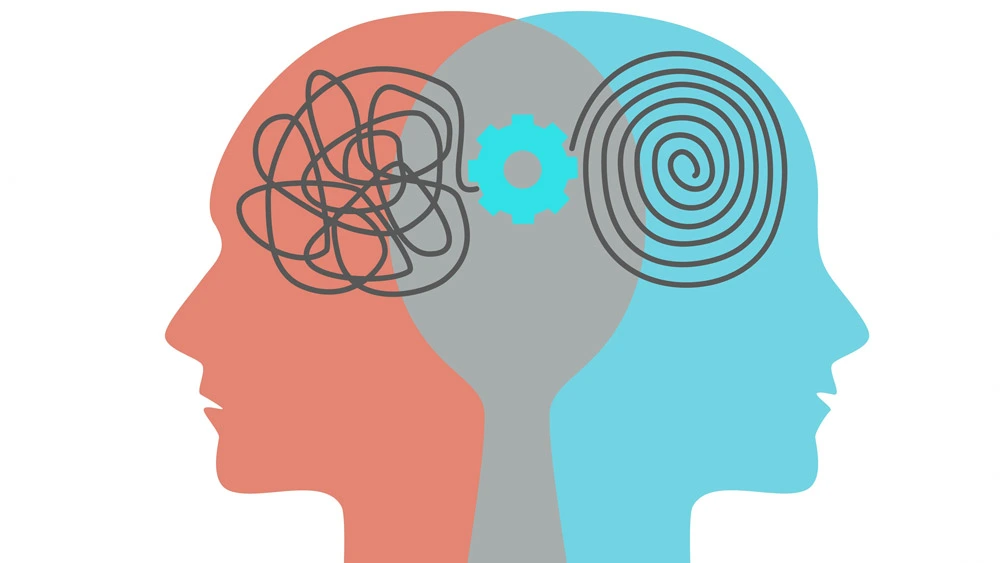
On the other hand, stress and anxiety can cause you to feel high-strung and stimulated, usually fueled by racing ideas and concern. Another large distinction in between stress and anxiety and anxiety additionally is available in the therapy of each condition. It is necessary to speak with your specialist, psychiatrist or healthcare company to make certain you're obtaining the appropriate treatment.
IFS Therapy Applied to Anxiety and Depression
According to the Anxiety & Clinical Depression Association of America, nearly half of individuals that are detected with depression are additionally diagnosed with stress and anxiety. As a matter of fact, in most cases, one might have caused the other."It's nearly like we're attempting to sort out the poultry and the egg. We're trying to find out which one took place initially, and after that if one created the other," describes Dr.
When this takes place, you can likewise go to greater danger for self-harm. In this situation, extensive treatment can be really helpful for managing anxiety gone along with by nervous distress, so it's important to connect for aid. Whether they occur together or individually, anxiety and anxiousness are both treatable. A lot of people take advantage of psychotherapy (talk therapy), cognitive behavior therapy (CBT), medicine or a combination.
Anxiety disorders often go hand in hand with clinical depression. Anxiety and clinical depression are frequently referred to together, but they are not the sameExact same If you drop right into any of the groups gone over listed below, you may be more prone to anxiety or clinical depression(or both)contrasted to others: Ladies are extra likely to be detected with stress and anxiety conditions compared to guys.

Table of Contents
Latest Posts
Long-Term Benefits of EMDR therapy in Midtown Manhattan
Cultural Roots Shaping Family Trauma Work in Immigrant Families
Necessity of Emotional Safety when Providing Counseling Services for Optimal Outcomes
Navigation
Latest Posts
Long-Term Benefits of EMDR therapy in Midtown Manhattan
Cultural Roots Shaping Family Trauma Work in Immigrant Families
Necessity of Emotional Safety when Providing Counseling Services for Optimal Outcomes